
VISION COHORT 2026 REPORT
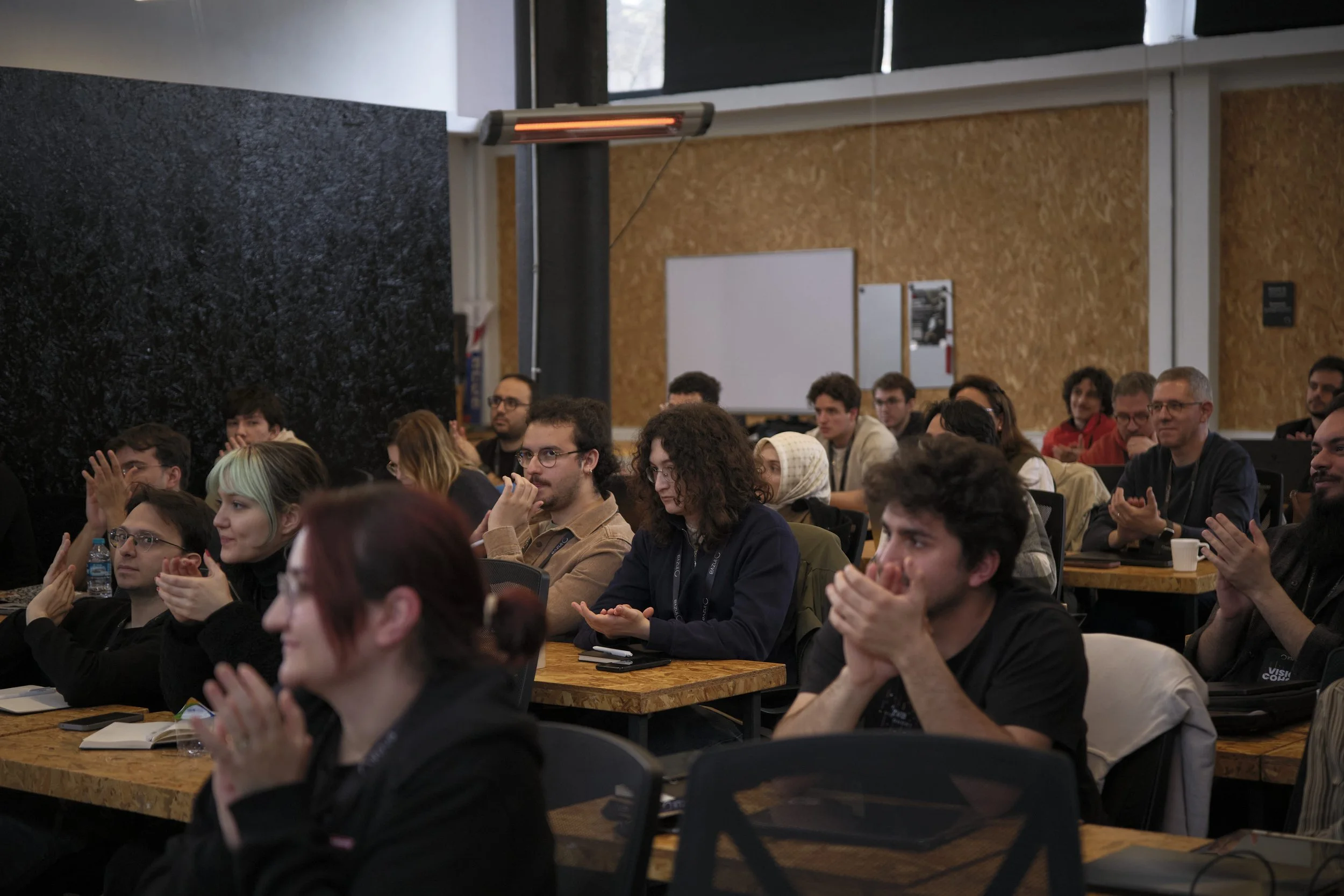
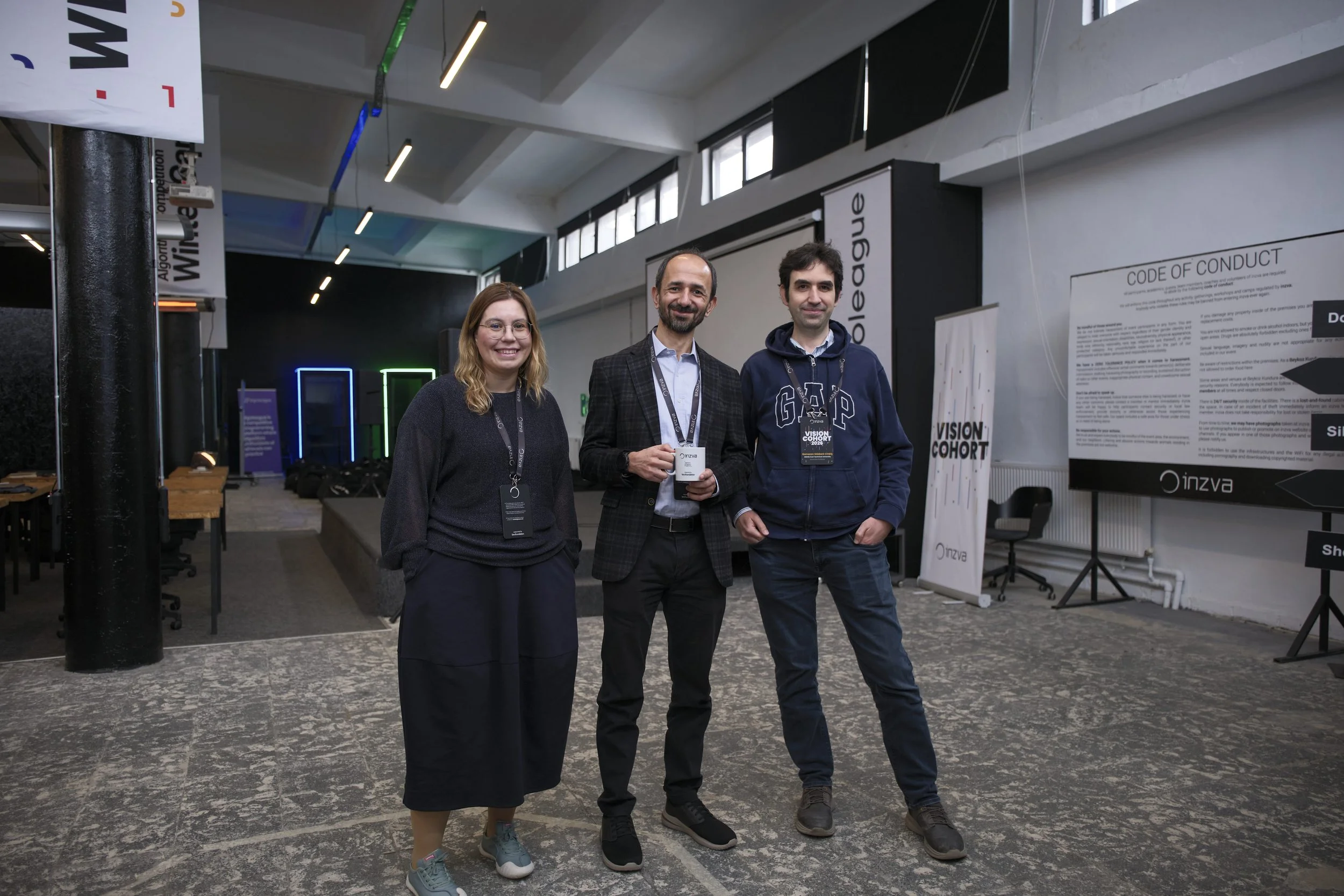
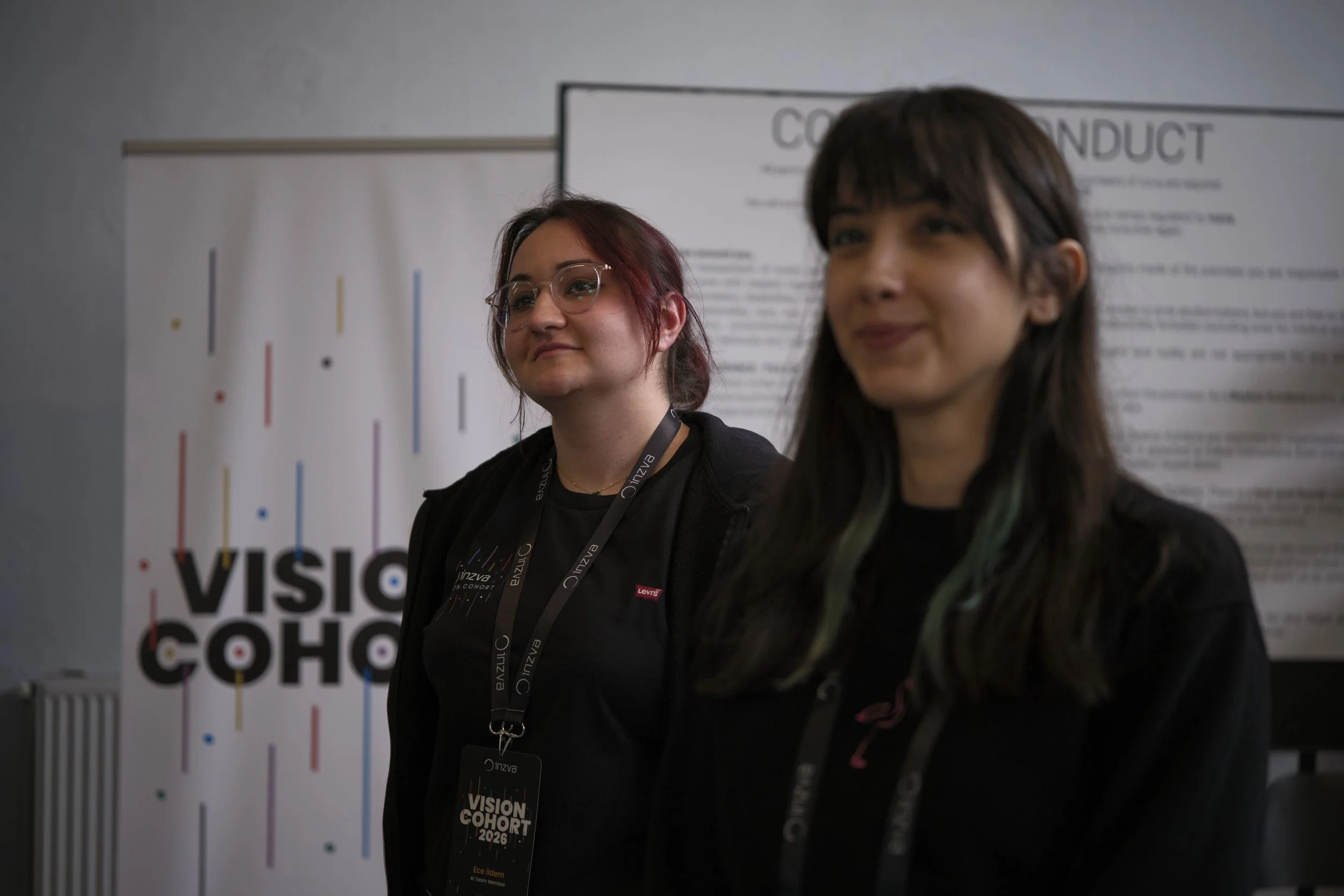
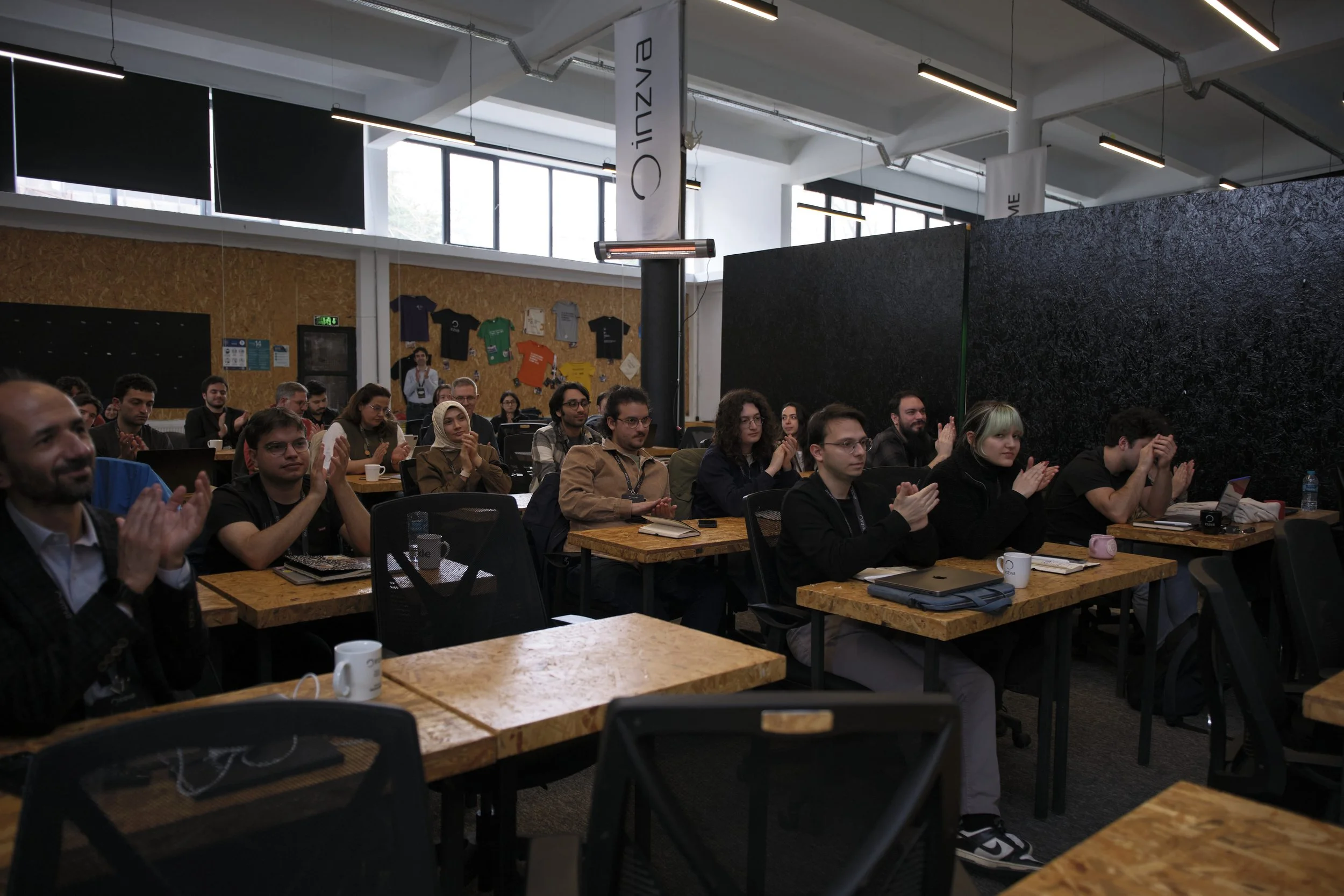
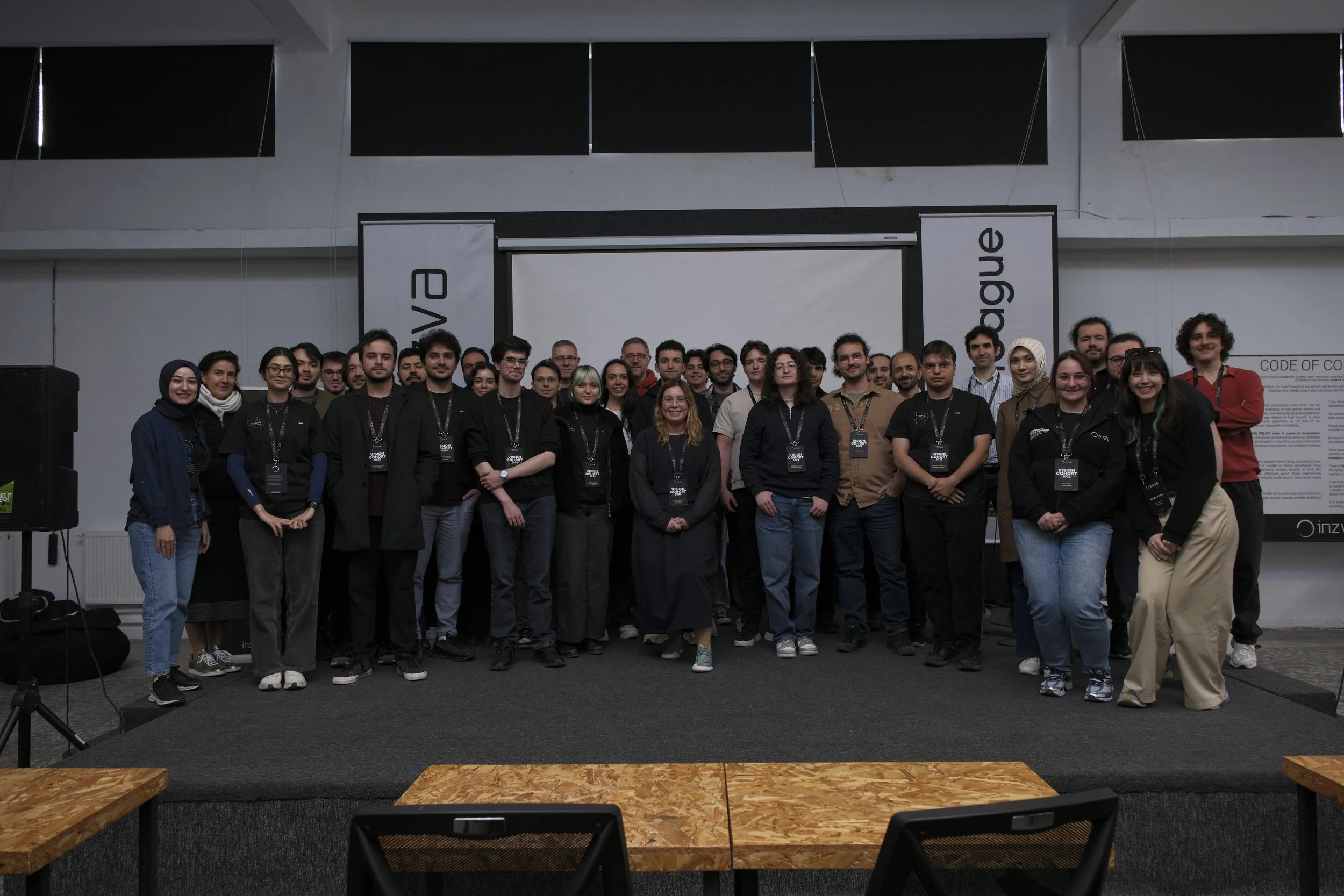
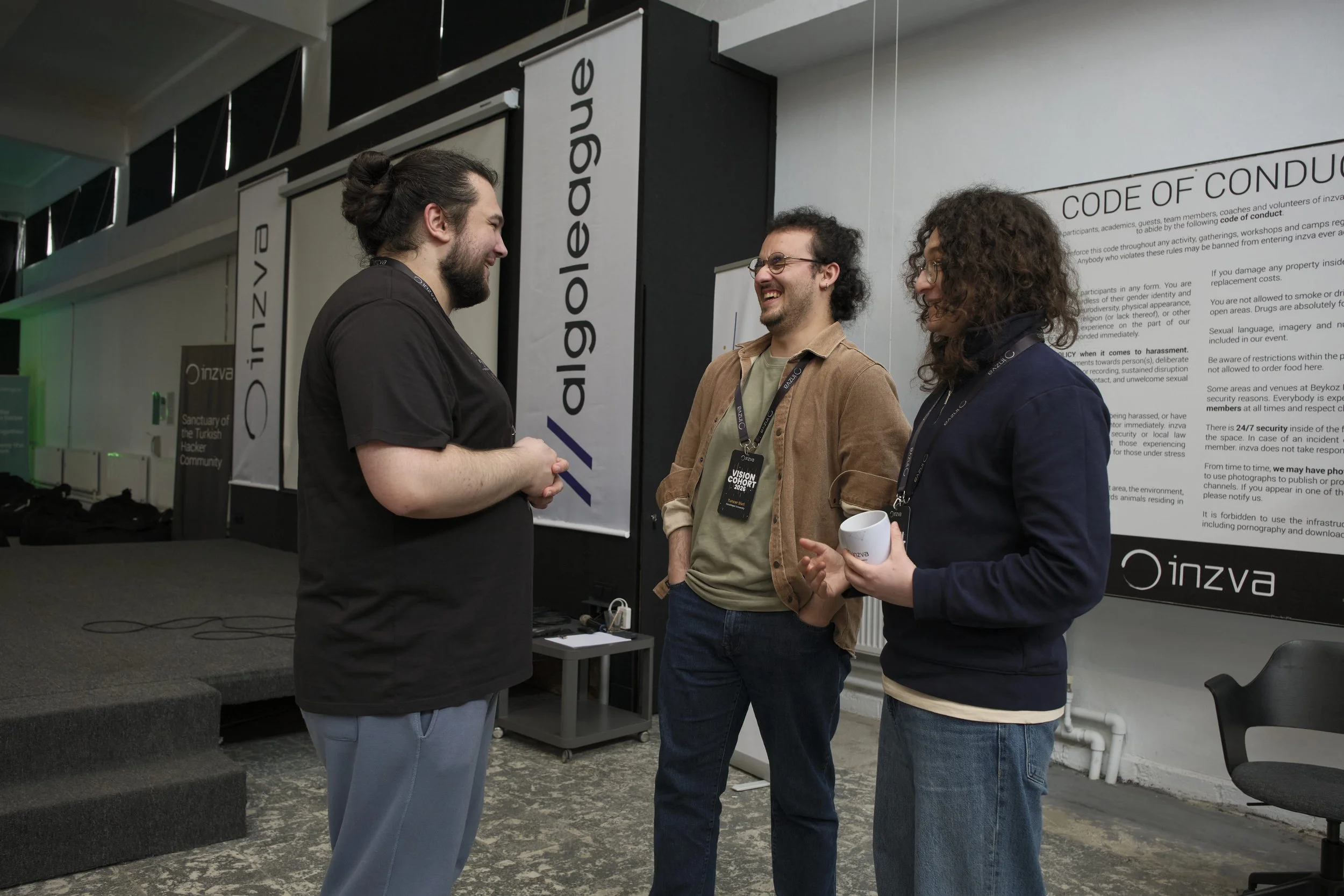
Vision Cohort is back! It was a pleasure to be in the same room again with the acclaimed academics and researchers working in the field of computer vision.
6 academics and 26 researchers from Koç University, ODTÜ, and Hacettepe University came together for fruitful discussions about their work and the computer vision community in Turkey.
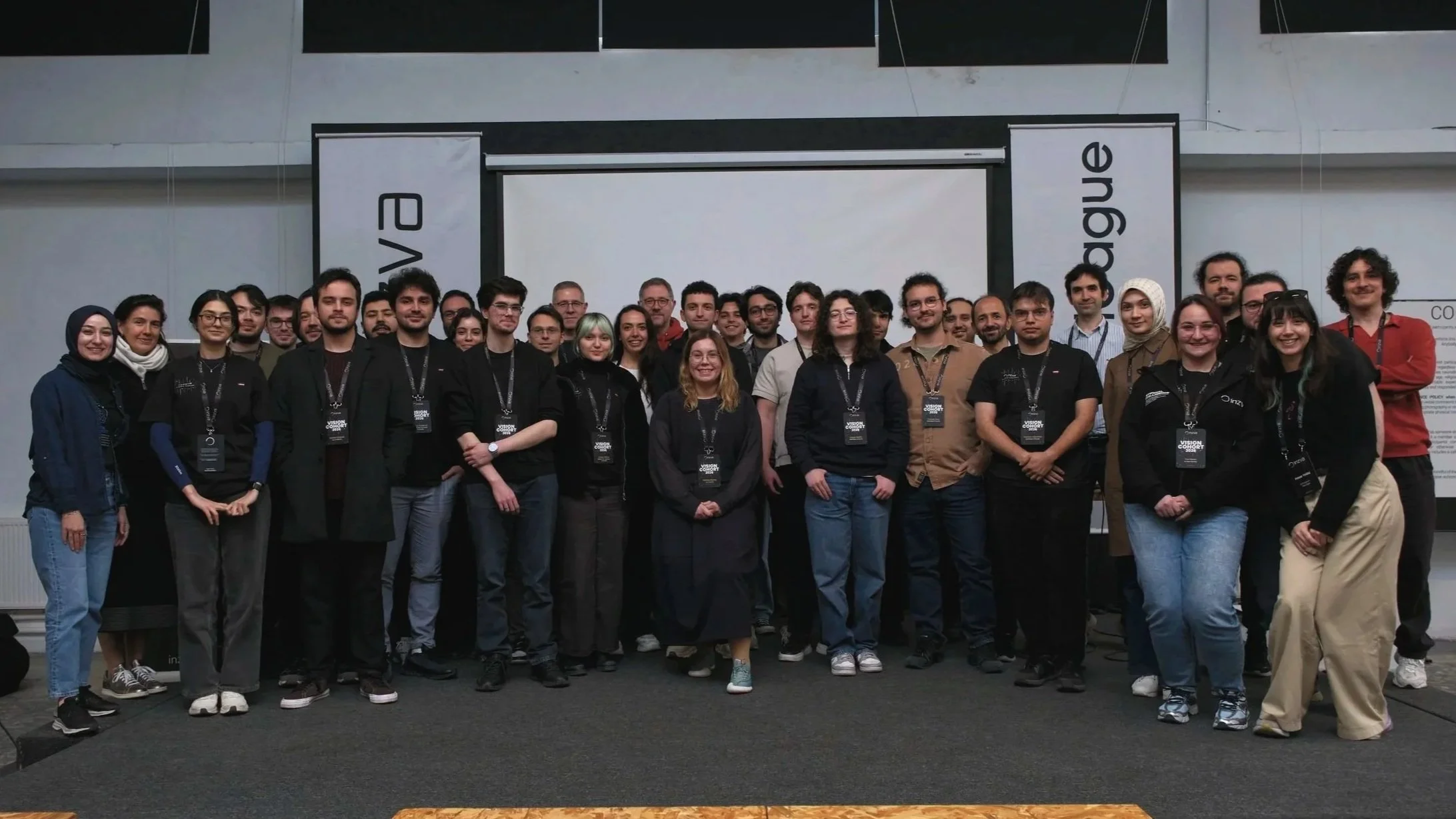
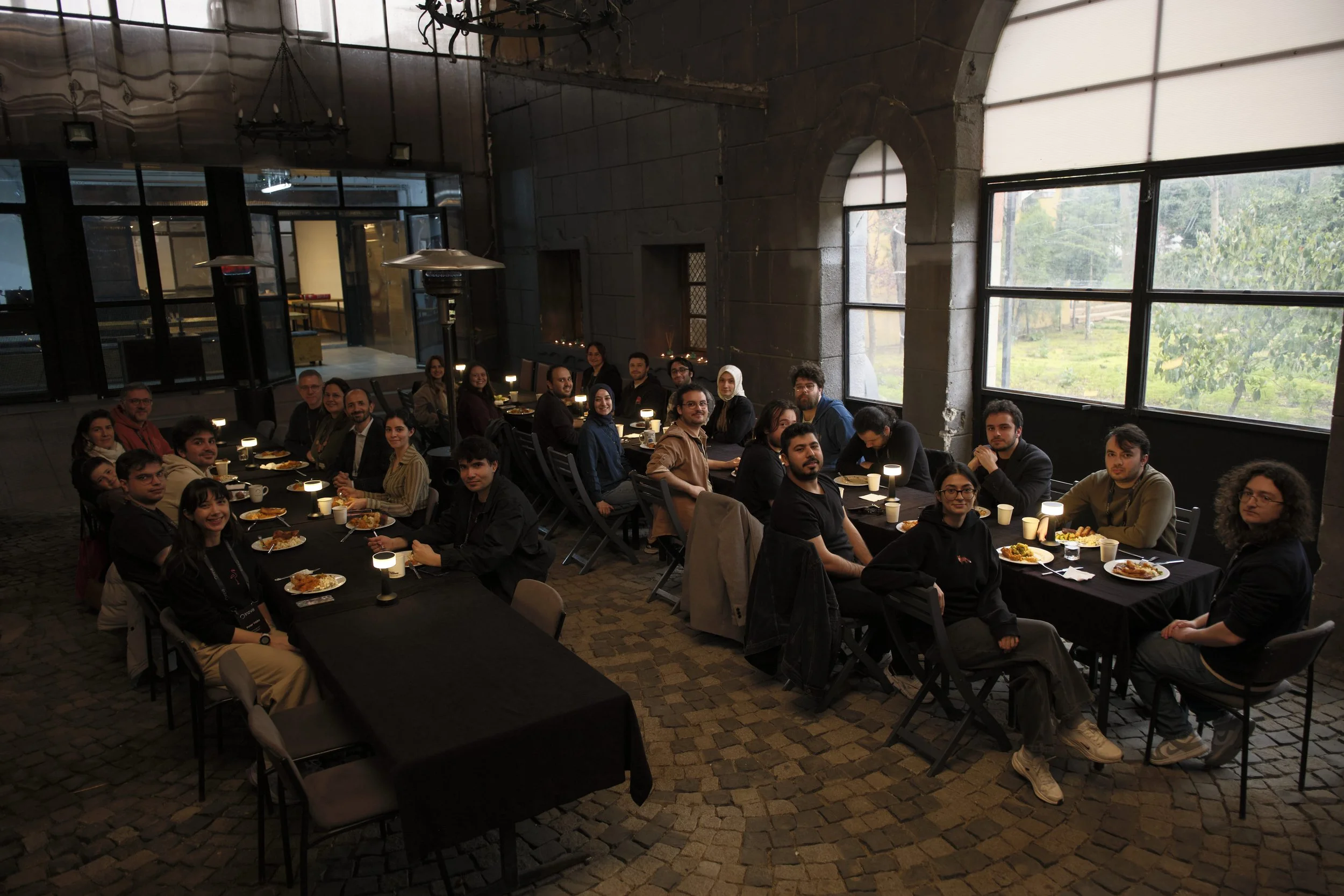
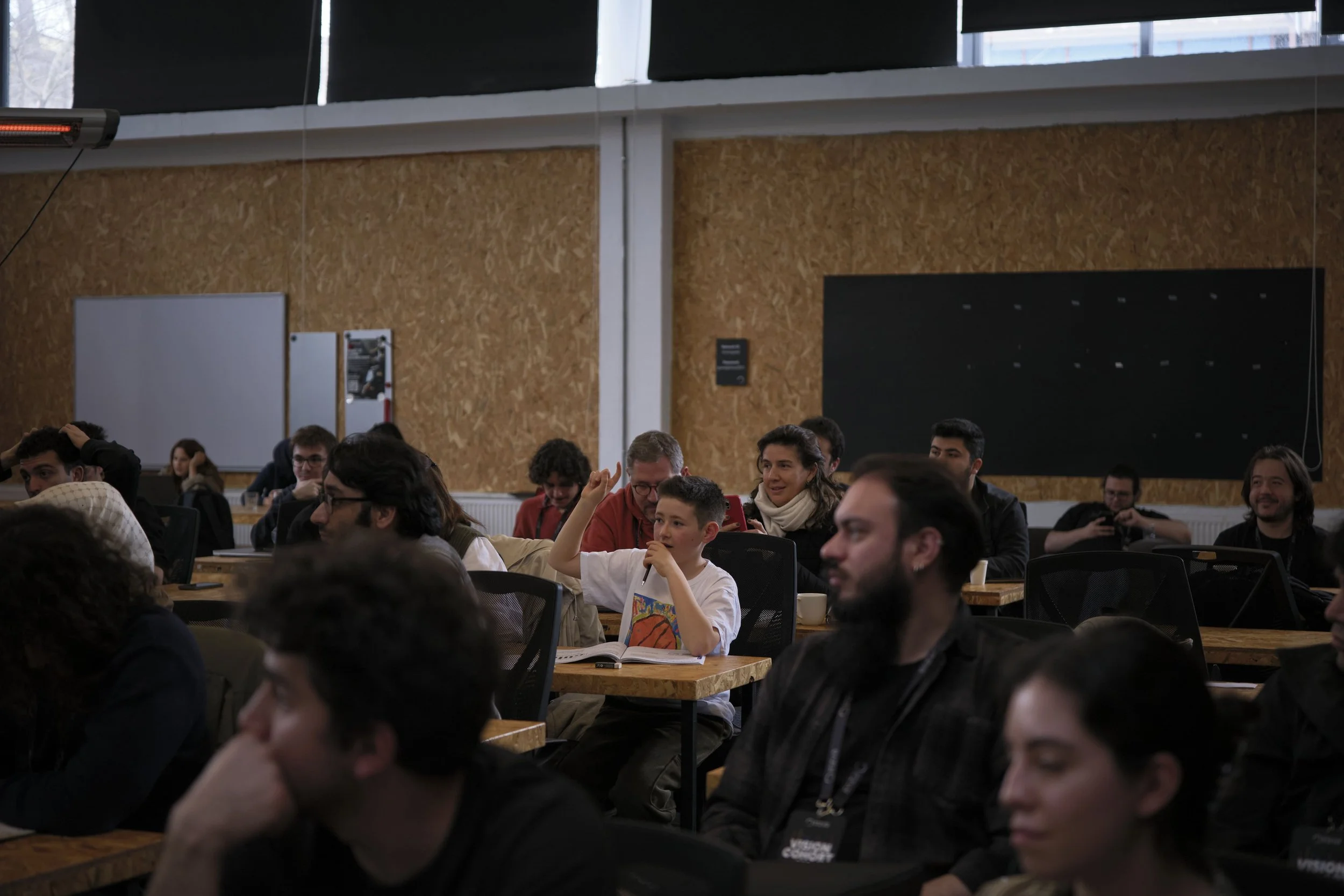
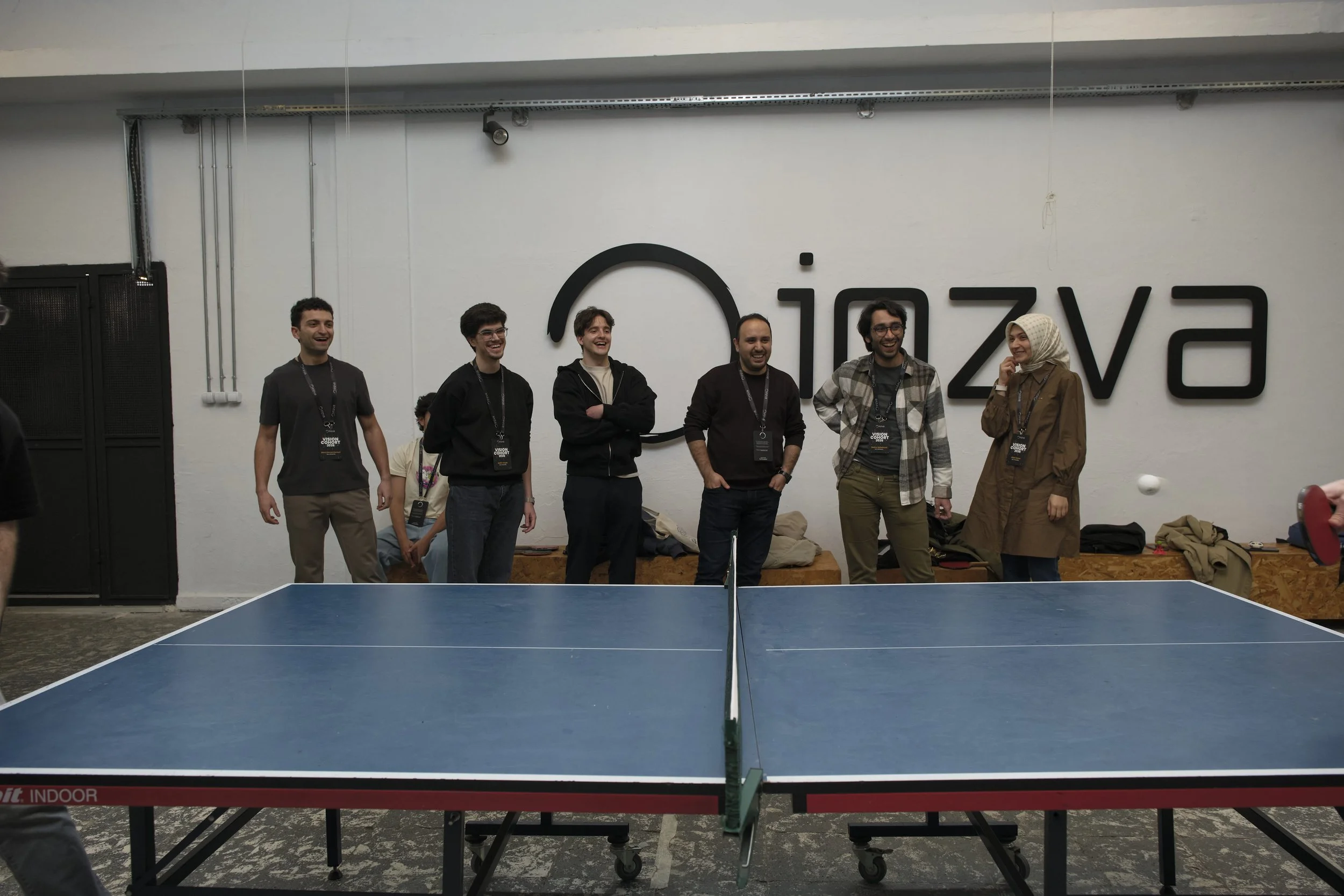
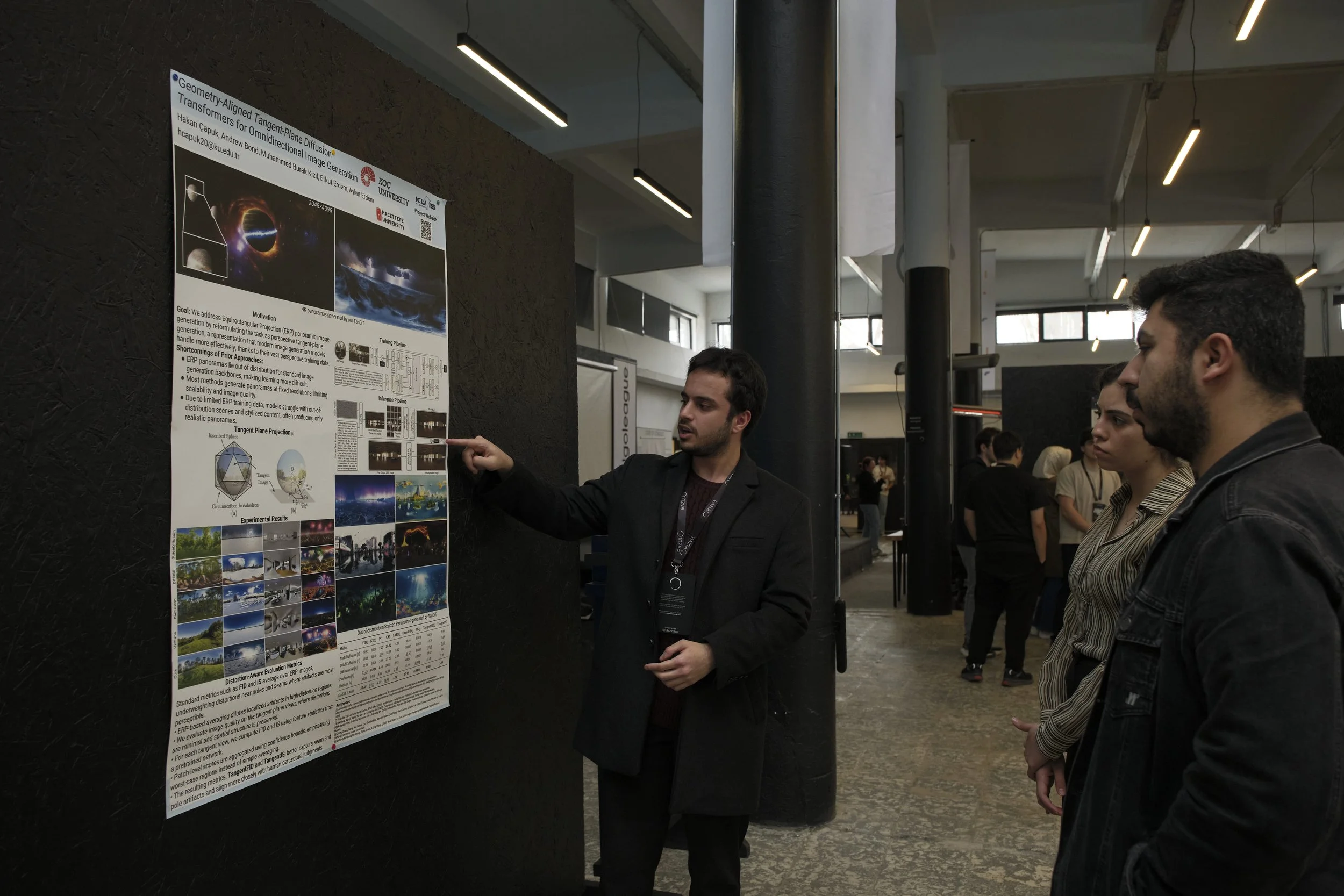
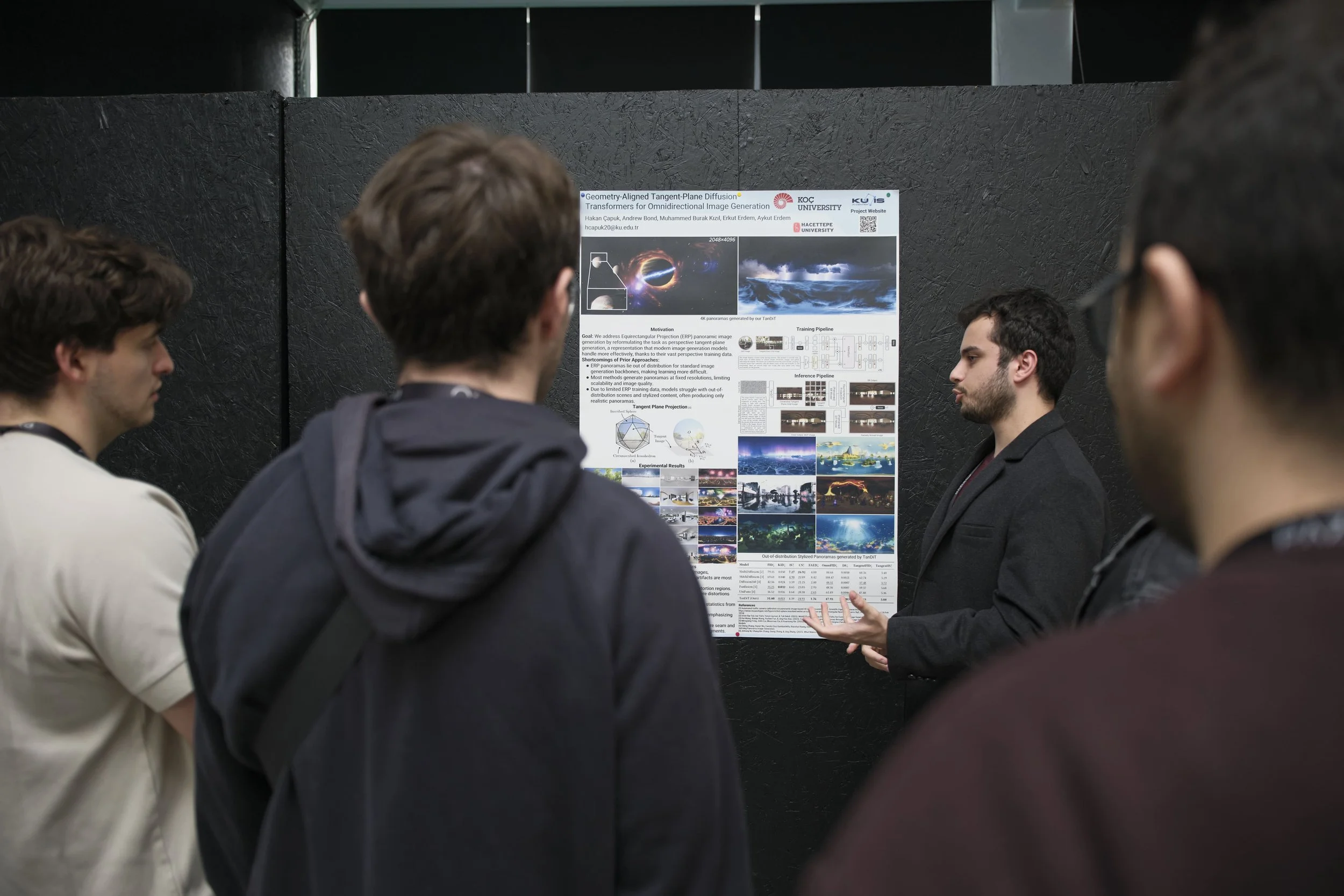
The weekend-long event at our dreamy space Beykoz Kundura featured 6 lab presentations and 2 poster sessions with a total of 15 posters, where researchers received feedback from academics and peers to further develop their work. Sunday was dedicated to open discussions, giving participants the freedom to exchange ideas openly.
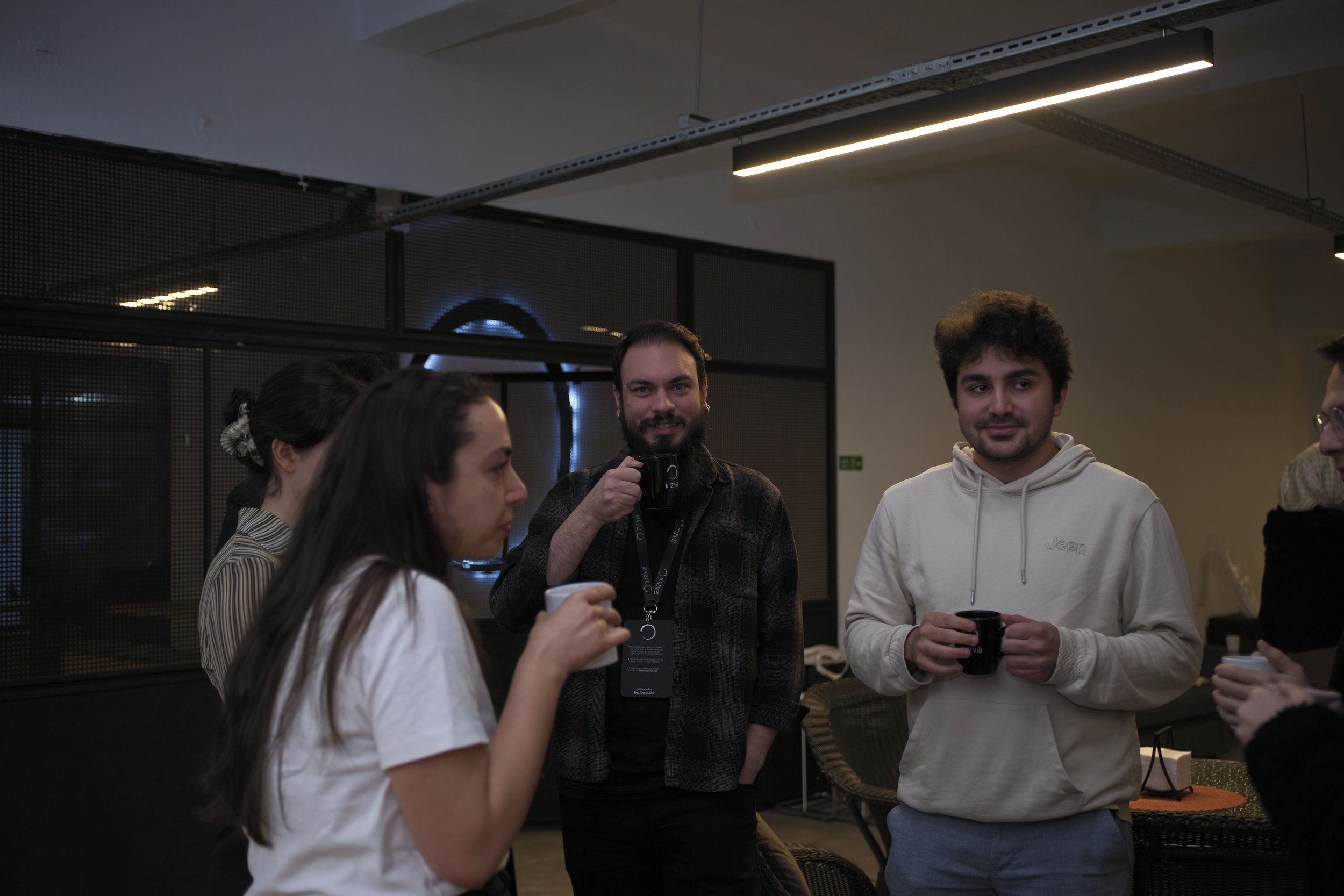
Beyond the intensive sessions that deepened their understanding of different aspects of the field, our participants also got to enjoy spending time in the historical buildings, exploring their surroundings, and the beautiful view of the sea.
PRESENTATIONS
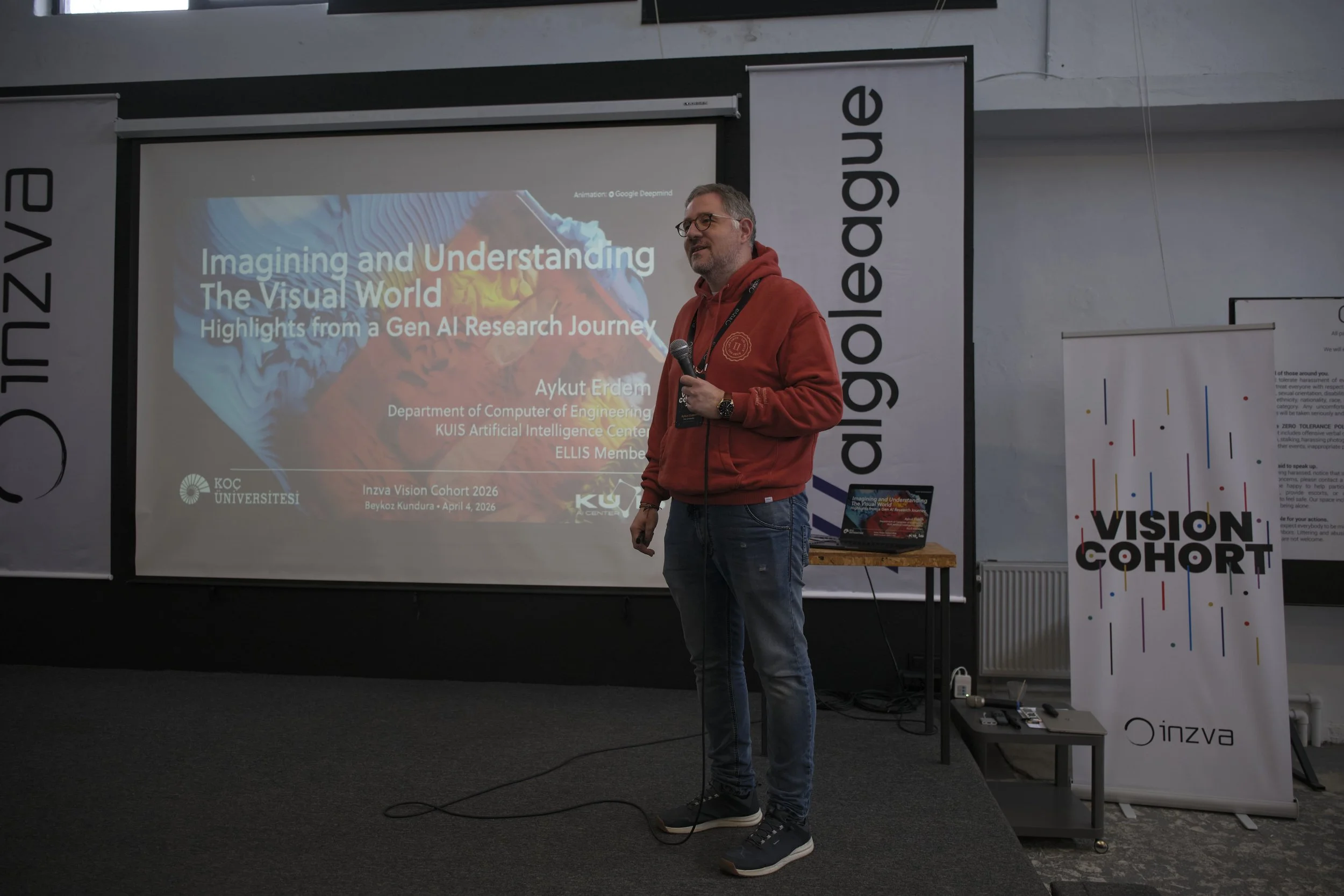
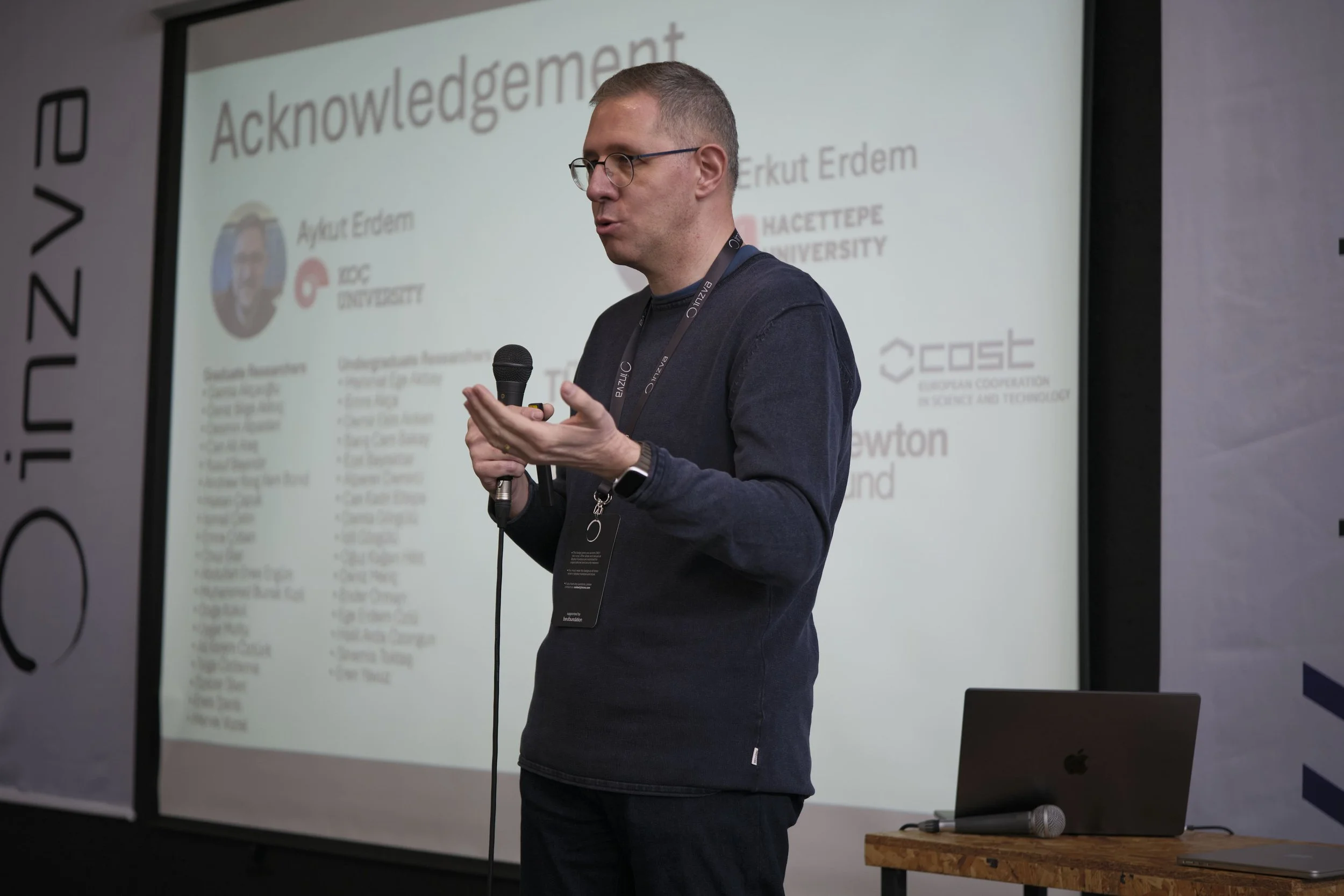
Assoc. Prof. Aykut Erdem is a faculty member at Koç University whose work focuses on computer vision. His research spans scene understanding, visual representation learning, and generative models for image synthesis.
His talk, “Imagining and Understanding the Visual World,” focused on advancing visual understanding beyond object recognition toward structured scene representation. His work emphasizes modeling visual scenes through high-level components such as layouts, attributes, and object relationships.
The talk highlighted how generative AI methods leverage these structured representations to synthesize realistic images, bridging visual understanding and image generation. It also pointed toward a broader shift toward “world modeling” in vision, where visual systems increasingly resemble language models in their ability to represent and reason about complex environments.
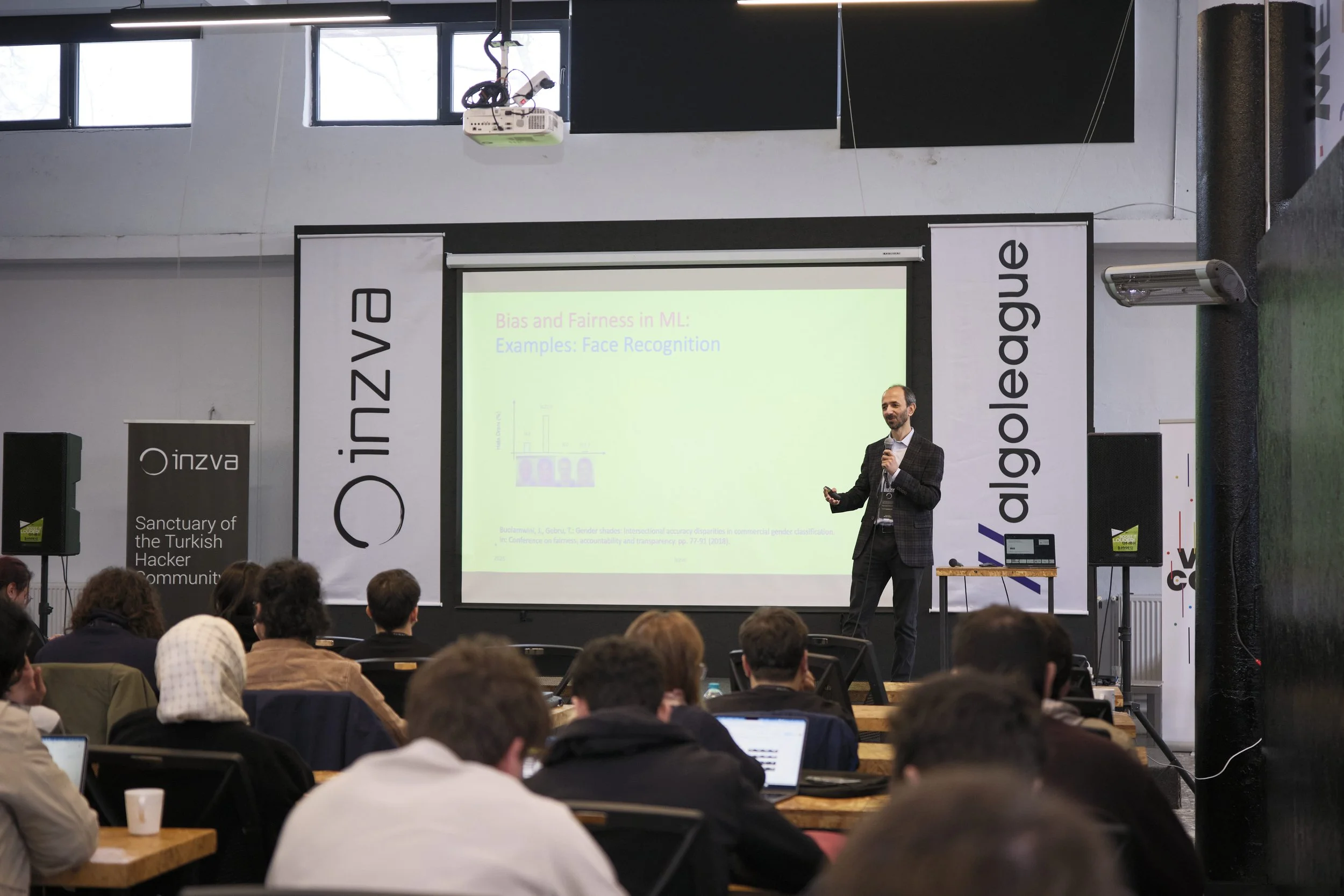
Prof. Sinan Kalkan from Middle East Technical University specializes in computer vision and machine learning. His research interests include visual perception, cognitive systems, and intelligent computational models.
His talk, “Bias and Fairness in Machine Learning,” focused on the challenges of ensuring fairness in AI systems. He emphasized that many machine learning models rely on statistical associations rather than true reasoning, which can result in biased decisions.
The talk highlighted key fairness principles and discussed the limitations of current approaches in addressing bias. It also stressed the importance of moving beyond correlation-based learning toward more robust and interpretable methods for developing fairer AI systems.
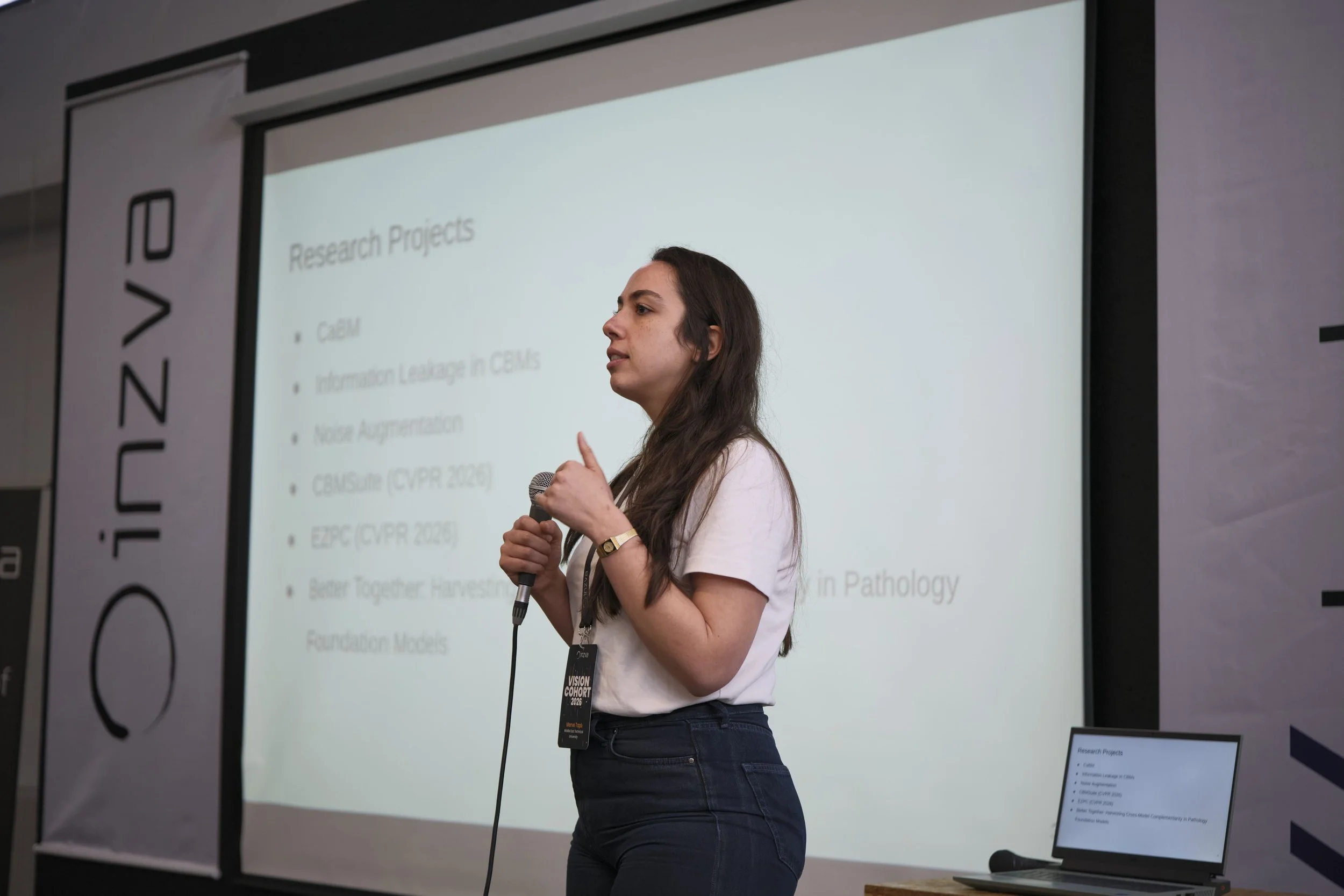
Res. Asst. Merve Taplı is a researcher at METU ImageLab, focusing on computer vision and related machine learning topics.
Merve Taplı’s talk, “METU ImageLab Researches,” provided an overview of ongoing research activities at METU ImageLab. The presentation covered various directions in computer vision, including visual understanding, representation learning, and learning-based approaches to perception problems.
The talk highlighted the diversity of research topics within the lab and demonstrated how different projects contribute to advancing visual intelligence. It also reflected the lab’s focus on combining theoretical insights with practical applications in vision and machine learning.
(Note: The talk was delivered by Merve Taplı in place of Emre Akbaş.)
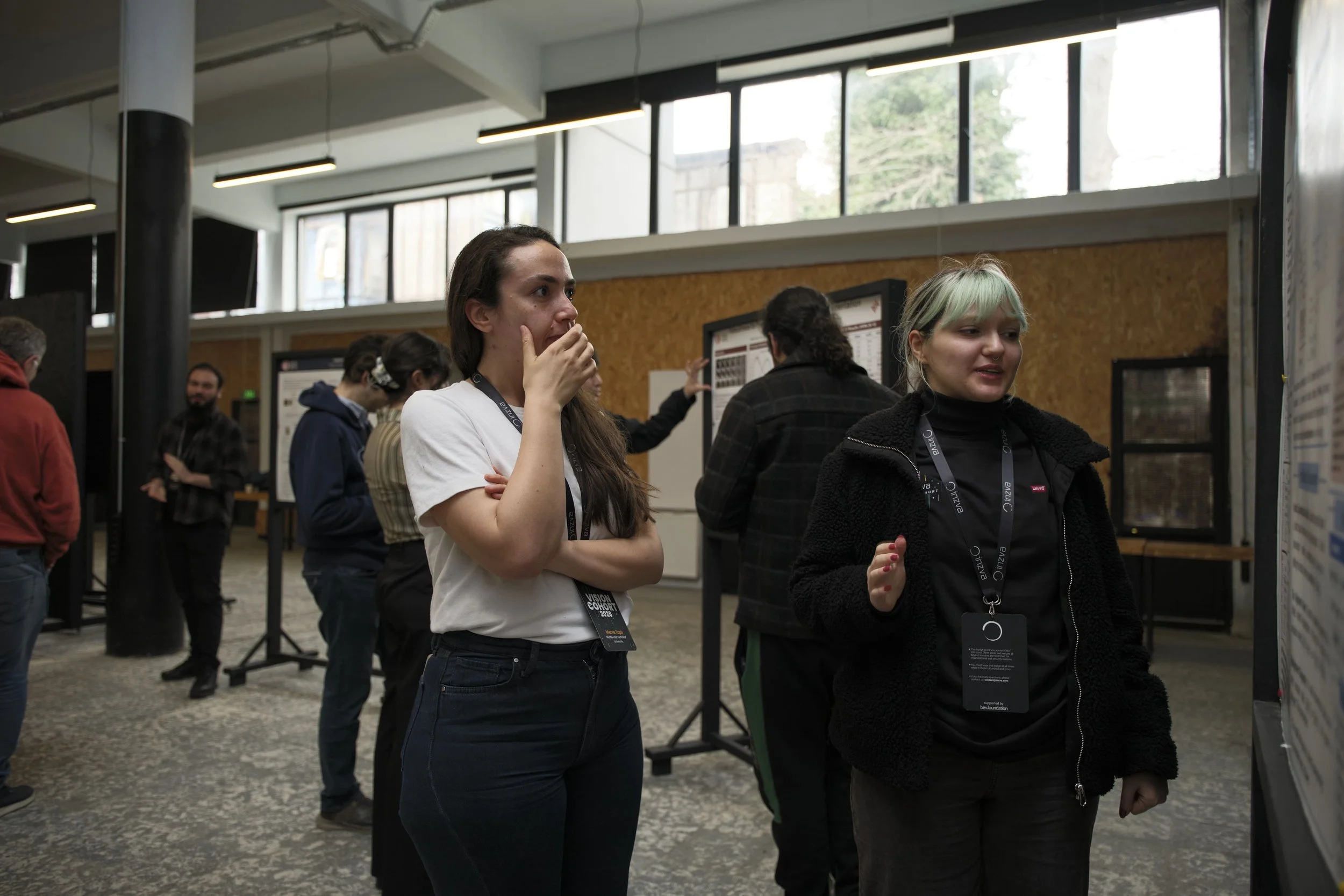
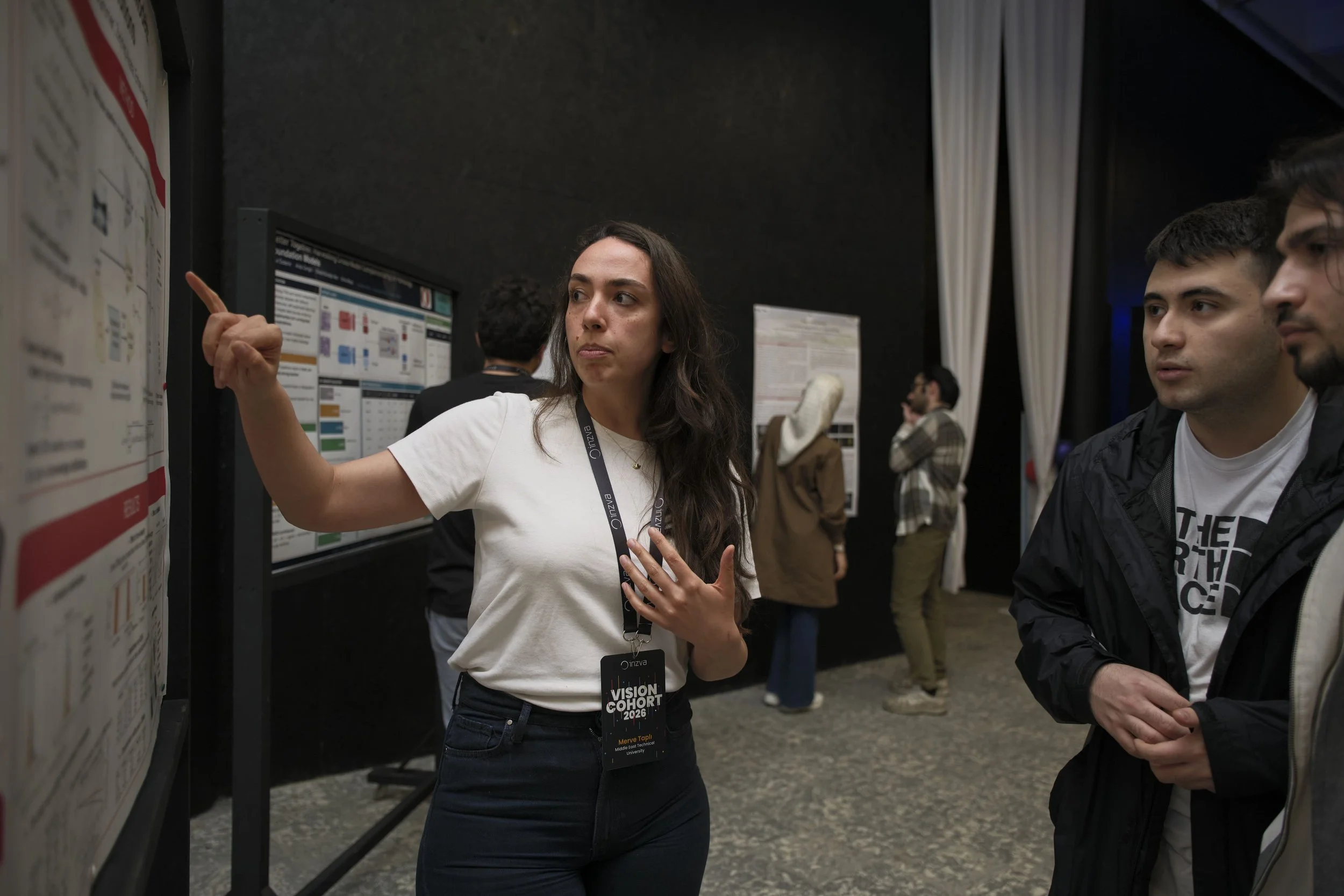
Prof. Mehmet Erkut Erdem works at Hacettepe University in computer vision. His research focuses on visual learning, scene understanding, and perception systems.
His talk addressed current challenges in computer vision through the lens of multimodality and real-world perception systems. The presentation discussed learned image signal processing (ISP) and contrasted traditional frame-based cameras with event-based cameras, highlighting their potential for dynamic and resource-efficient sensing, particularly in applications such as autonomous systems.
The talk also explored the role of alternative sensing modalities, including hyperspectral imaging, in addressing complex real-world problems such as biodiversity monitoring. It emphasized that many current approaches remain limited in practical deployment, especially when relying on standard frame-based or triggered camera setups.
Overall, the talk highlighted the need for more robust, multimodal, and application-aware vision systems to bridge the gap between research and real-world use.
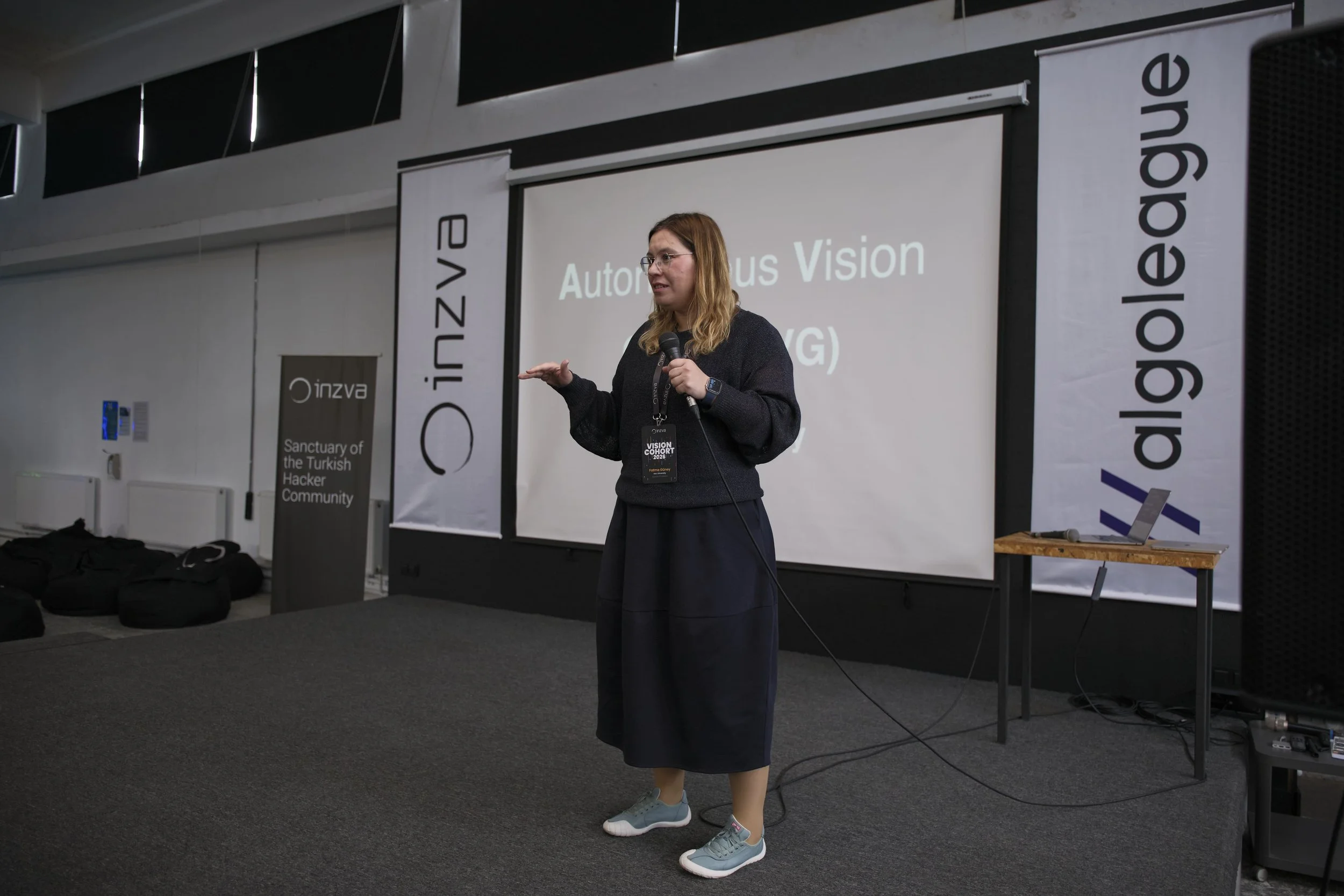
Asst. Prof. Fatma Güney leads the Autonomous Vision Group (AVG) at Koç University. Her research focuses on computer vision for autonomous systems, particularly perception and scene understanding.
Fatma Güney’s session introduced the research directions of the Autonomous Vision Group (AVG), with a focus on vision-based perception for autonomous systems. The talk highlighted key challenges in building reliable visual understanding systems, particularly in dynamic and real-world environments.
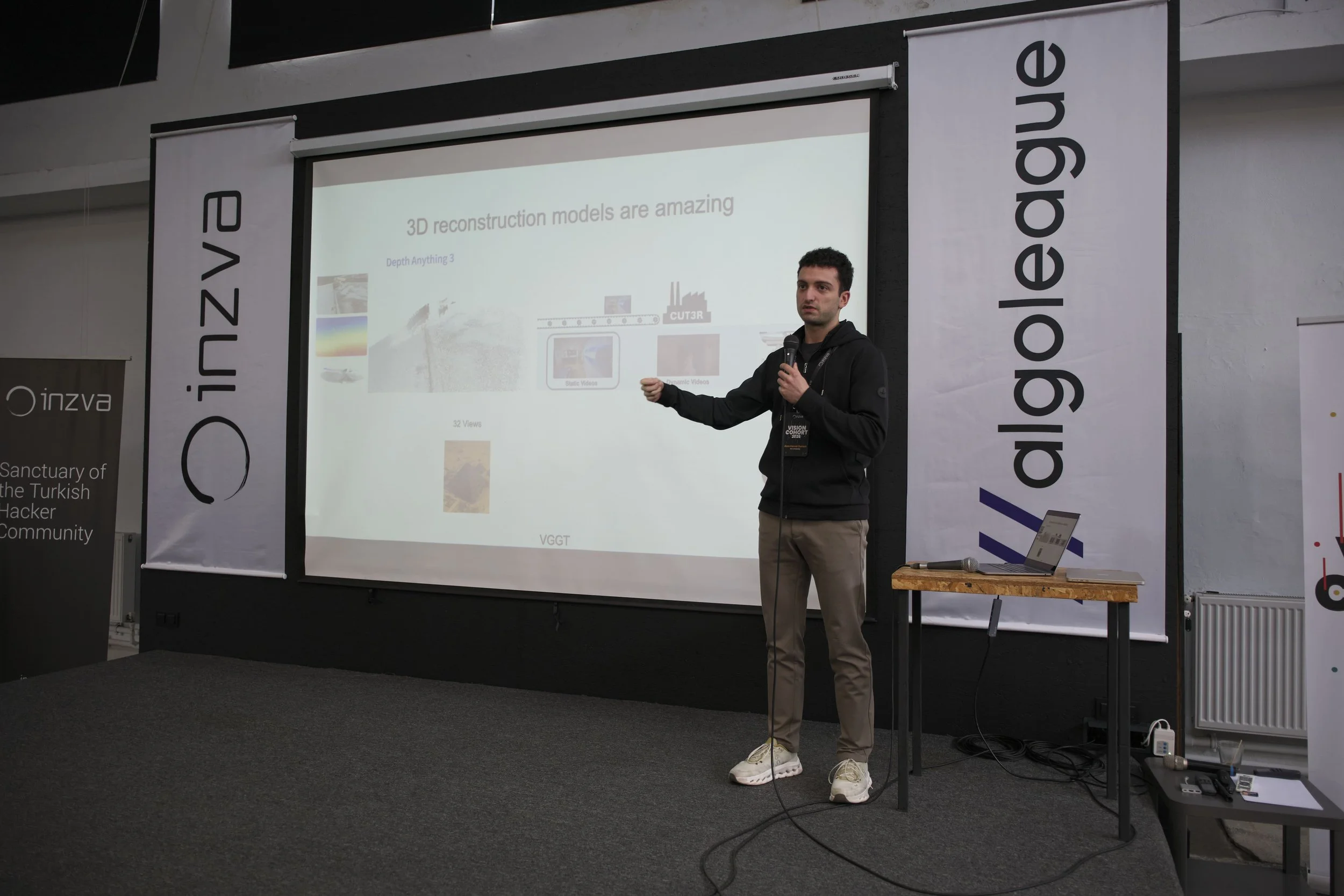
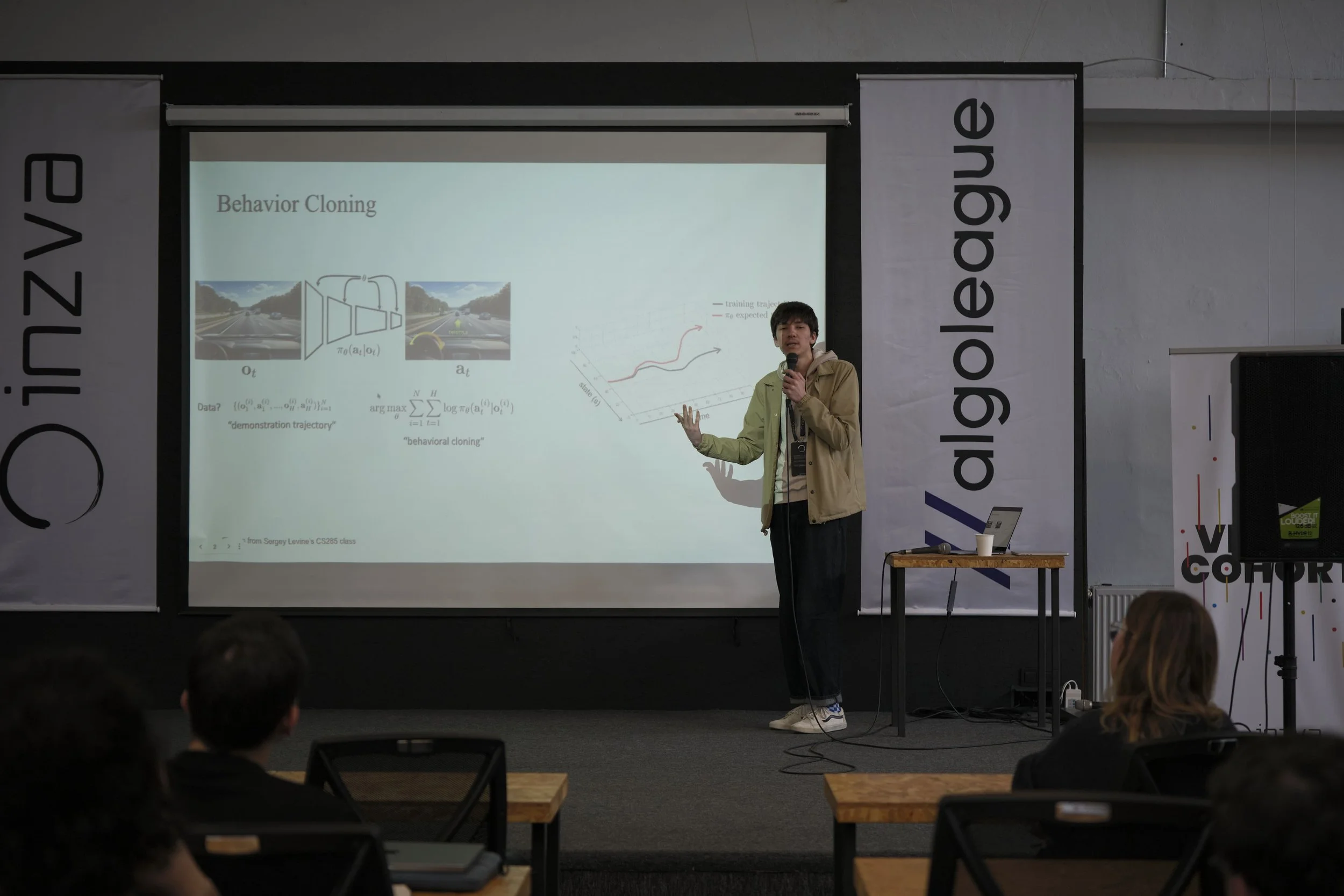
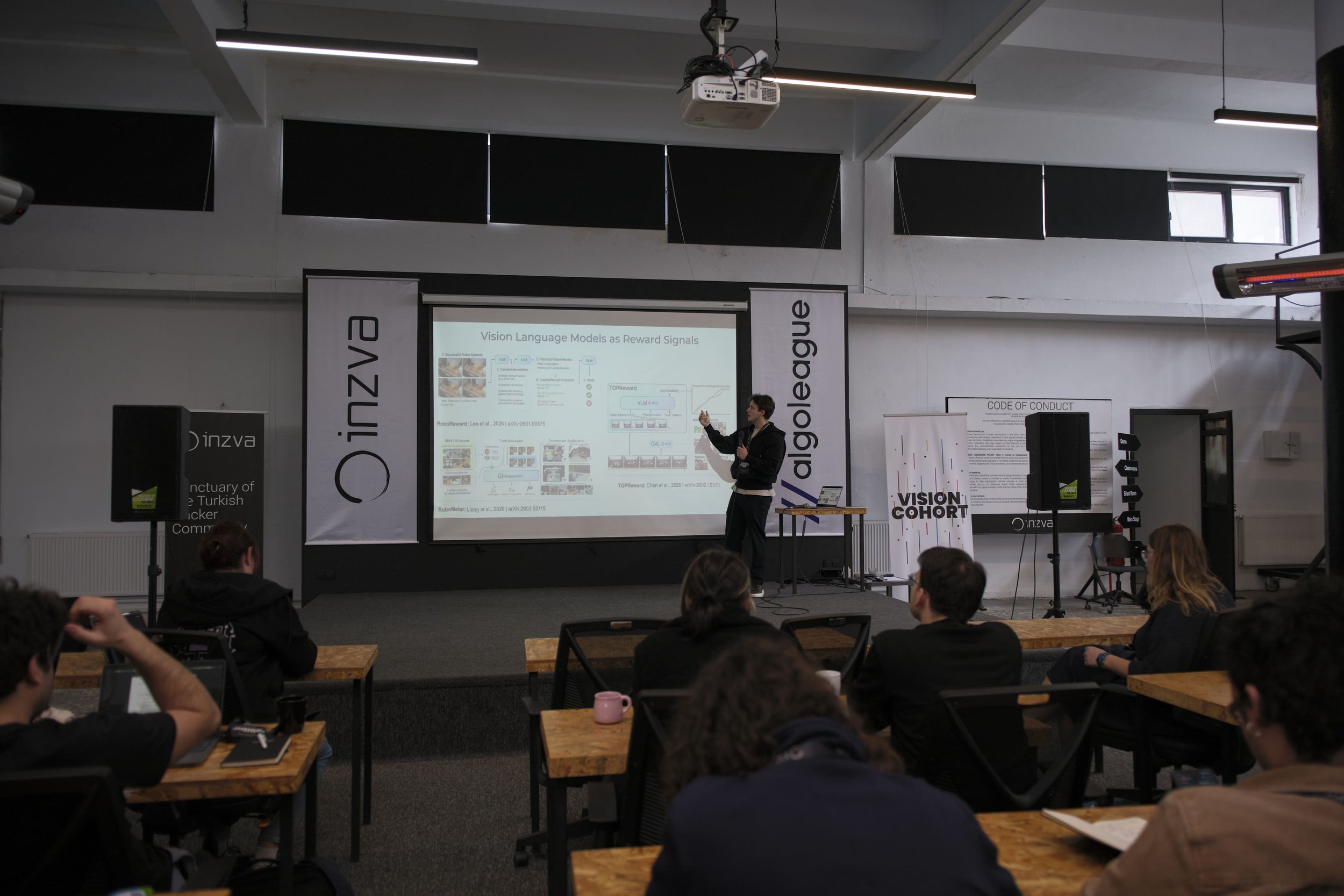
In addition to the group overview, several students presented their ongoing research projects, covering a range of topics within computer vision and autonomous perception. These presentations reflected the diversity of research within the lab and its emphasis on both methodological development and practical applications.
Student presenters: Sadra Safadoust, Eray Çakar, Eren Gökmenler, Bora Kemal Dursun, Melih Oksak, Sertaç Derya, Ozan Ozak.
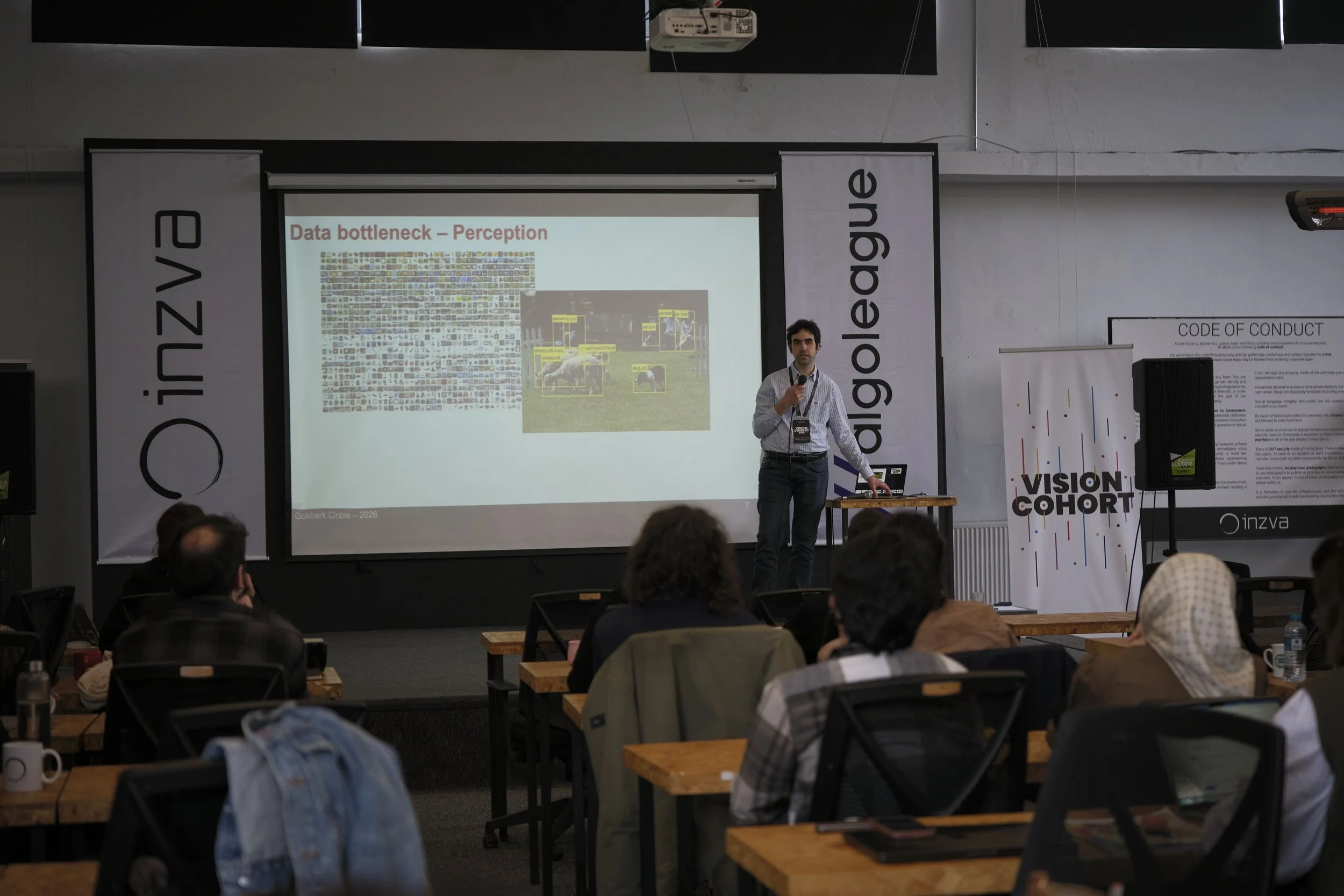
Assoc. Prof. Ramazan Gökberk Cinbiş is a faculty member at METU in computer vision and machine learning. His research focuses on few-shot learning, generative models, and data-efficient learning.
His talk, “Data Efficient Learning via Generative Mechanisms and Meta-Learning,” explored how machine learning systems can learn effectively with limited data. The presentation highlighted the role of pre-trained models and few-shot learning in enabling generalization across tasks with minimal supervision.
A key focus was the use of generative mechanisms to produce synthetic training data, raising the question of what makes a synthetic sample truly useful. The talk emphasized that data quality and relevance are critical, rather than quantity alone. Examples such as protein language models were referenced to illustrate how large-scale pretraining can support data-efficient learning.
Overall, the talk provided a perspective on combining generative methods and meta-learning to build more adaptable and data-efficient AI systems.
We're already planning the next cohort, stay tuned!
All participants have to abide by our CODE OF CONDUCT and LETTER OF CONSENT.
A BEV Foundation project inzva is a non-profit hacker community organizing study and project groups as well as camps in the fields of AI and Algorithm; and gathering CS students, academics, and professionals in Turkey.
Follow us on our social media accounts to have the most recent news about our upcoming events and programs!